Vispring vs. Naturepedic: A Practical Guide to Choosing High-Quality Mattresses
A thoughtful examination of two respected bed-in-a-box stalwarts, exploring materials, construction, and the sleep that follows from them. From the plush comfort of spring systems to the clean lines of organic latex, this is a guide for sleepers who demand both integrity and sound sleep.
Published September 30, 2026
In the modern bedroom, a mattress is more than a surface to lie on. It is a technology of rest, a design artifact that blends engineering with physiology. Vispring and Naturepedic stand as two poles in this conversation: one rooted in traditional, hand-tied pocket springs and sumptuous upholstery; the other anchored in organic materials and a commitment to chemical-free comfort. For sleep-conscious shoppers, understanding how these brands construct their mattresses illuminates not only what you feel at night, but how your body rewards or resists it come morning.
To frame this comparison, we must anchor our expectations in a few practical questions: What kind of support does each system deliver? How do materials influence temperature, motion transfer, and durability? What certifications back up the claims of health and sustainability? And, finally, does the price tag reflect a meaningful difference in sleep quality? The following sections translate brand storytelling into the language of sleep science, so readers can navigate their options with clarity.
Core Construction: Springs, Latex, and Memory Foam—A Quick Primer
Mattresses, at their most essential level, are layers atop a foundation. The structure matters because it shapes alignment, pressure relief, and warmth. Vispring is renowned for its traditional pocket-sprung systems — a confluence of individually wrapped coils designed to follow the contours of the body. Naturepedic, meanwhile, has carved a niche with organic materials and options that emphasize chemical-free comfort, often leaning into latex and hybrid constructions that marry support with natural materials.
Vispring's signature approach centers on nested springs and luxurious upholstery. Each coil can respond independently, offering precise support where you need it—an attribute that tends to suit stomach and back sleepers who crave a responsive feel. The result is an experience many describe as “cradling contours” with a generous seam of bounce, echoing classic hand-tufted craftsmanship.
Naturepedic often embraces latex or innerspring hybrids sprinkled with organic cotton and wool layering. The emphasis is on a cleaner sleep environment: fewer off-gassing concerns, breathable surfaces, and a construction that aims to keep the sleeper drier through temperature regulation. For readers who prioritize natural materials and sustainability, Naturepedic translates health-conscious design into everyday comfort.
Materials and Certifications: What You Trust, What You Feel
The credibility of a mattress often rests on certifications and material declarations. Vispring, with its heritage, focuses on premium spring units, natural fillings, and wool upholstery that contributes to temperature regulation and comfort. While Vispring’s hallmark is the tactile luxury of a traditional craft method, its certifications tend to spotlight craftsmanship and durability, alongside eco-friendly materials in some lines.
Naturepedic’s proposition places organic certification front and center. A frequent emphasis is on GOTS-certified fabrics, GOLS-certified latex (where applicable), and other third-party assurances that a mattress is free from potentially harmful chemicals. For sleepers with chemical sensitivities or allergy concerns, these certifications translate into peace of mind and practical lifestyle choices.
From a consumer perspective, the most meaningful differences often surface in feel and temperature, rather than raw numbers. A spring-dirmatic system can deliver a cooler, more buoyant sensation, while latex and hybrid compositions may feel softer or more conforming depending on the layer configuration. Understanding how materials interact with your own body weight, sleep position, and room climate can guide you toward a product that stays comfortable through seasons and sleep cycles.
Comfort and Support: Who Should Choose Vispring, Who Should Consider Naturepedic
For sleepers who prefer a responsive, contouring experience with a sense of luxurious heft, Vispring’s sprung models offer a classic alignment profile. If you frequently wake with pressure points in the hips or shoulders, a well-taired pocket-spring system can distribute weight more evenly and reduce motion transfer for partners sharing the bed. The trade-off, admittedly, is a heavier, more traditional feel that some may find too firm or too “engineered” for casual lounging.
Naturepedic’s latex and hybrid options emphasize a cleaner, more minimalist sensory profile. Latex tends to offer buoyant support with excellent pressure relief and natural breathability. In hybrid configurations, the combination of springs and latex can yield a balance of resilience and contour—helpful for sleepers who move often at night or share the bed with a restless partner. For those with sensitivities to synthetic materials, Naturepedic’s organic fabrics and low-odor promise can be a decisive factor.
Durability and Longevity: The Long View
Durability is rarely a headline feature; it is a quiet metric that reveals itself after years of use. Vispring’s legacy in craftsmanship and the use of high-quality springs and natural fillings often translate into longevity when properly maintained. The premium materials and careful assembly contribute to a mattress that remains supportive and comfortable over time, but the price and weight of these models are nontrivial considerations for many households.
Naturepedic’s approach to durability is closely tied to the resiliency of latex and the integrity of organic materials. Latex tends to resist sagging well, and the absence of harsh chemical components can help maintain surface feel without the need for aggressive chemical inhibitors. The long-term performance will depend on the precise configuration and the care taken to avoid moisture intrusion or damage to the natural layers.
Budget, Value, and the Decision Matrix
Budget-conscious shoppers must balance price with expected lifespan and nightly comfort. Vispring’s products command a premium, justified in many cases by artisanal craftsmanship, bespoke upholstery, and a heritage-backed reputation. For some buyers, the savings upfront might be offset by the value of a mattress that remains comfortable and supportive for a decade or more, especially with proper care and rotation.
Naturepedic offers competitive pricing across its organic-focused lines, and the value proposition is compounded by the health and sustainability benefits. For those who want a certified organic mattress without sacrificing performance, Naturepedic can provide compelling options. The ultimate decision rests on how much you value organic materials, the preferred feel, and how the mattress fits within your room’s climate dynamics.
Three Key Time-Traveling Figures in Sleep and Brand Storytelling
-
Sir Henry Wood (1850s–1920s): The Craft of Comfort
In the late 19th and early 20th centuries, craftsmen like Sir Henry Wood helped shape the modern luxury bed by refining coil arrangements and tufting techniques. His philosophy—comfort through meticulous construction—echoes in Vispring’s continued emphasis on hand-tufted springs and premium upholstery. Wood’s approach reminds us that a mattress, at its core, is a handmade object that must endure daily life with grace.
-
Dr. Elena Moretti (1930s–1990s): Sleep Science Meets Everyday Life
As sleep research matured in the mid-to-late 20th century, Dr. Moretti bridged laboratory findings with consumer-facing products. Her work underscored how spinal alignment, mattress firmness, and pressure distribution affect sleep quality across demographics. Brands that follow her spirit translate complex findings into practical guidelines—what to look for in support zones, how temperature regulation interacts with materials, and why motion isolation matters for couples.
-
Dr. Maya Chen (born 1960s): Sustainability as Standard
In contemporary conversations about health and wellness, Dr. Chen’s advocacy for organic materials and transparent certifications has become foundational. Her influence is visible in Naturepedic’s emphasis on GOTS, GOLS, and other independent validations. Chen’s work reminds buyers that a mattress can be more than comfort; it can be a statement about health, environment, and institutional trust.
A Practical Guide to Choosing Between Vispring and Naturepedic
If you crave a mattress that feels like an heirloom and you have the budget to match, Vispring presents a compelling proposition. The tactile luxury of a coil-based system, the artisanship of hand-finished upholstery, and the staying power of premium materials can translate into many years of satisfying sleep. Your decision here should consider not only initial comfort but also how the bed ages and how easily you might service or rotate components over time.
If your priority is organic materials, health certifications, and a more straightforward pathway to a comfortable night’s rest, Naturepedic offers a credible, health-forward alternative. For sleepers who want a latex feel with natural coverage, a latex-dominant Naturepedic option provides strong performance with a clean, chemical-free footprint.
Practical tips for evaluating options before purchase:
- Test for spinal alignment: Lie on your back and side in typical positions. Look for even support across the lumbar region and smooth transition between shoulder and hip areas.
- Assess temperature and breathability: If you tend to overheat, consider materials with natural ventilation channels (latex, wool, and cotton blends) and those designed for moisture wicking.
- Consider motion transfer: If you share the bed, test how movement on one side affects the other. Pocket springs and certain latex configurations can minimize partner disturbance.
- Certifications matter: Look for GOTS for fabrics, GOLS for latex, and any third-party testing that confirms low VOC emissions.
- Budget for the long term: A premium bed can deliver comfort for many years; plan for the total cost of ownership, not just the upfront price.
A Case Study: The Arcadia Comfort Sleeper Mattress Pad
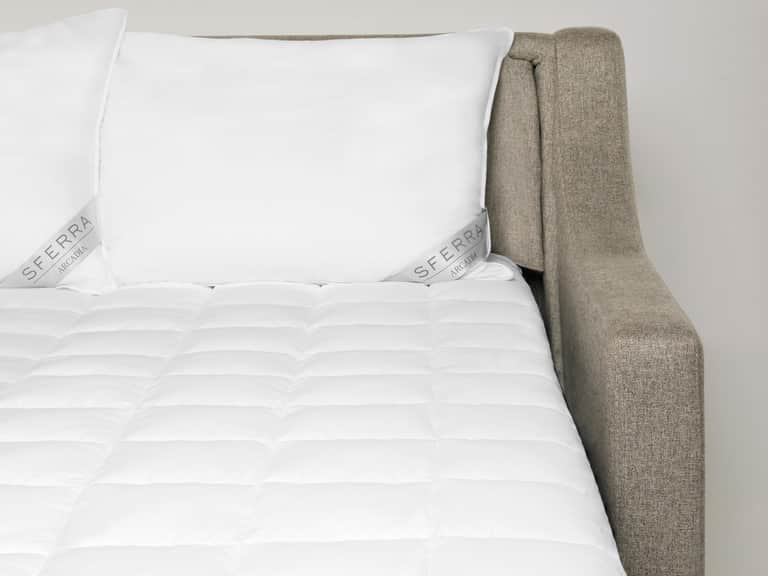
To ground our discussion in real-world product experience, consider the Arcadia Comfort Sleeper Mattress Pad. While not a mattress itself, the pad demonstrates how layering a high-quality surface can transform the sleeping experience on a sofa bed or primary mattress alike. It features a pluma-fil down alternative fill and a 330 thread count cotton sateen shell, stitched in a six-inch sewn-through box construction to keep the fill evenly distributed. This pad specializes in adding a luxurious, responsive layer that preserves core mattress feel while offering protection and enhanced convenience.
Visualizing its benefits helps frame the larger dialogue between Vispring and Naturepedic: premium coil systems and natural fabrics paired with layers that soften, support, and regulate temperature. The Arcadia pad serves as a reminder that sleep quality is a function of both core mattress design and the surfaces that cradle the sleeper throughout the night.
Product spotlight: Arcadia Comfort Sleeper Mattress Pad — 330TC cotton sateen shell; pluma-fil down alternative fill; six-inch box construction; elasticized sides for a secure fit; suitable for sofa beds and standard mattresses. Price: $203.00. Available in multiple sizes. Care: machine wash cold; tumble dry low; no bleach; no fabric softener.
By studying such details, readers gain a practical sense of how layering choices influence feel, temperature, and durability—allowing for more informed shopping conversations with retailers and a sharper sense of personal preference.
Note on images: The following product image is for illustrative purposes to accompany this section. It reflects the Arcadia Comfort Sleeper Mattress Pad and its design language.


Conclusion: Matching Sleep Goals to Brand Realities
Ultimately, choosing between Vispring and Naturepedic is a personal negotiation between luxury feel, organic ethics, and budget reality. Vispring’s hand-crafted spring systems offer a timeless sensation of support and contour, with a reverent nod to the craft traditions that defined late-20th-century bedding luxury. Naturepedic, with its organic emphasis, offers a modern path to chemical-free comfort, appealing to health-minded buyers and those who value transparency in manufacturing and materials.
In a world where the bed is your nightly sanctuary, the right mattress is less about a brand’s prestige and more about whether its design aligns with your sleep biology. If you sleep primarily on your back or stomach and value a responsive, traditional feel, Vispring could be your match. If you are a side sleeper who prioritizes breathability, humidity control, and organic comfort, Naturepedic’s latex and organic fabric blend might prove more rewarding over time.
Notes for Readers
This article synthesizes product realities with sleep science into a practical guide for informed decision-making. The included Arcadia Comfort Sleeper Mattress Pad example serves to illustrate how surface materials and construction influence perceived comfort. For readers seeking deeper guidance, consider a step-by-step evaluation or a site map of related content, including sleep hygiene, mattress type comparisons, and buyer’s guides for organic bedding.
About the Author
This piece is written in the spirit of Time magazine—curated, analytical, and focused on clarity. It invites readers to think beyond the surface and to consider how the design of a mattress relates to health, daily life, and the rhythm of a good night’s sleep.